Mabylon AG Breaks New Ground With Promising Peanut Allergy Treatment Trial

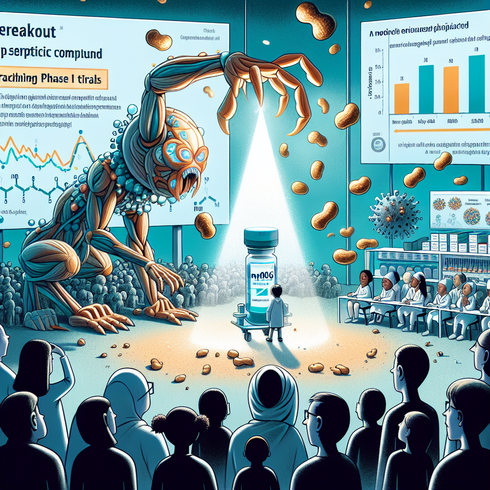
Swiss biotech firm Mabylon AG has launched a groundbreaking Phase I clinical trial for its lead compound, MY006, a tri-specific antibody therapy designed to tackle peanut allergies. This new initiative is a major milestone in the ongoing fight against one of the most prevalent and dangerous food allergies in the world. With approximately 1.6 million children and countless adults in the U.S. alone affected, a successful treatment could be life-changing for many families.
The initial dosing of healthy volunteers and peanut allergy patients in the United States marks a crucial step forward in testing the safety and tolerability of MY006. What sets MY006 apart is its novel engineering—a human-derived, half-life extended tri-specific antibody that could offer a longer duration of action and enhanced immune targeting compared to existing therapies. This innovative approach could provide a more robust and durable protective shield against allergic reactions triggered by peanut exposure.
Currently, the only FDA-approved treatments for peanut allergy focus predominantly on desensitization, requiring patients to consume increasing amounts of peanut protein over time. This method, while effective for some, is time-consuming and not without risk of severe reactions during the treatment period. MY006 presents a new paradigm—an immunotherapy that could work by neutralizing allergic triggers directly, potentially reducing the need for daily exposure-based interventions.
Mabylon’s strategy of combining a strong scientific foundation with patient-centric development holds promise. Its use of healthy volunteers and actual allergy patients in early-phase trials may fast-track the acquisition of real-world data on both efficacy and safety. Furthermore, developing a long-acting allergic response therapy taps into the growing demand for convenient, low-maintenance medical options in chronic disease management, including allergies.
As the trial progresses, all eyes within the allergy and immunology communities will be on MY006. While Phase I trials primarily assess safety, early indicators of efficacy could propel the compound into further trials and stir interest among larger pharmaceutical stakeholders. If successful, Mabylon’s therapy might not only change the standard of care for peanut allergy but also pave the way for novel treatments targeting other common allergens with similar biologic mechanisms.